
Antenna Design
Electronically steered arrays and fixed-beam antennas, 300 MHz to 70+ GHz — designed and delivered as finished, tested hardware.
Electronically steered arrays
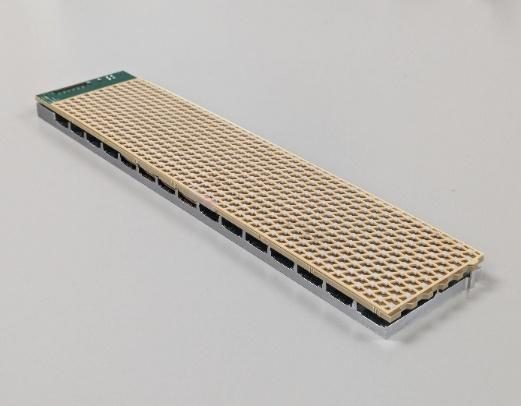
Emtera designs electronically steered antennas (ESAs) and phased arrays for satellite communications, anti-jam PNT, and EW missions. Our flagship work includes a Ka-band ESA with ±70° scan built on a 540-radiator tile with 4-bit phase control and electronically switchable polarization to 31 GHz, an ultra-thin manpack SATCOM terminal under 5 pounds, and anti-jam GNSS arrays.
What sets our arrays apart is efficiency at the system level. Emtera designs the array and the active electronics behind it together — down to custom amplifier and phase-shifter semiconductors when the application demands it. That is how our Ka-band ESA runs on roughly one quarter of the prime power of competing designs: less heat, smaller terminals, longer missions.
Speed is the other difference. Using our rapid development framework, we recently delivered 11 antenna designs in 11 months for a single space-systems customer — about four weeks each, concept to delivered hardware.
Fixed-beam antennas
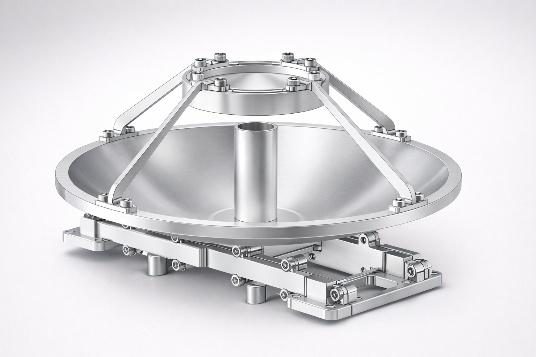
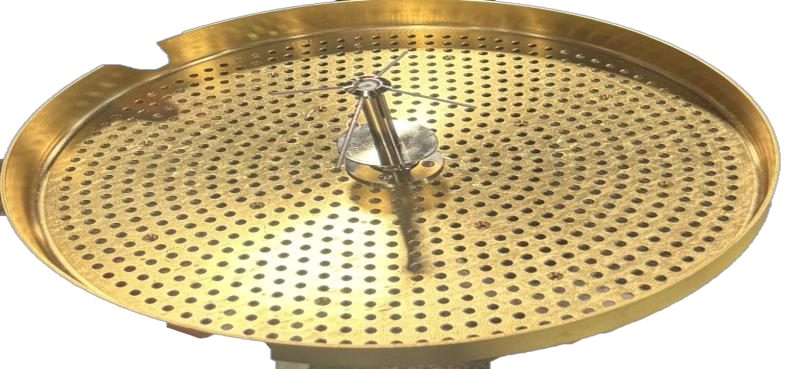
Not every mission needs electronic steering. We design the full range of fixed-beam antennas — microstrip patches and flat panels, slotted-waveguide arrays, shaped reflectors, spirals and volutes, and waveguide feeds, diplexers, and power combiners.
Because we design both, we can tell you honestly which one your mission needs: fixed-beam when the requirement allows, electronically steered when it doesn’t.
From requirements to delivered hardware
Our preference is to carry an antenna program all the way through: requirements, trade studies, electromagnetic simulation (ANSYS HFSS and CST), prototyping, and pattern measurement on near-field and anechoic ranges. If you need design-only support, we do that too.
A typical engagement delivers:
- Requirements capture and architecture trade study
- Simulated patterns and performance budgets
- Prototype hardware
- Measured patterns and performance data
- Finished, tested units — or a production-ready design package
Measured, not just simulated
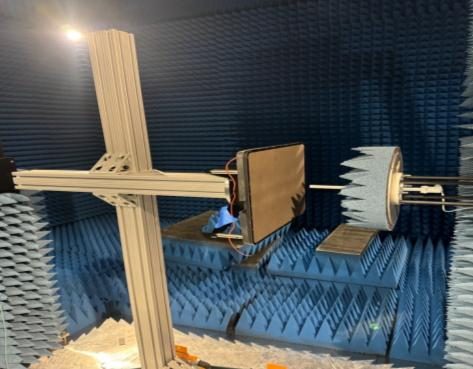
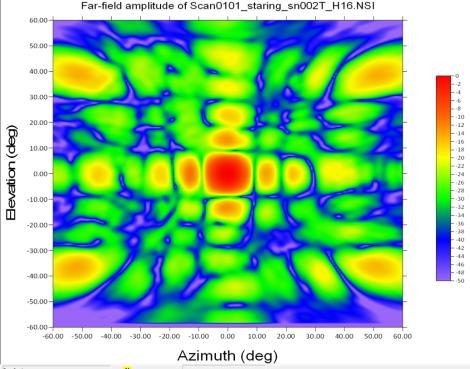
Every antenna program ends at the range, not the simulator: near-field scanning and anechoic-chamber pattern measurement verify that delivered hardware meets the requirement, and the measured data ships with the antenna.
Have a project or a question?
Tell us what you're building — an engineer will get back to you.
Email contact@emtera.com